Day 3 - Triggered by Tradition: How Religious Holidays Reactivate Trauma
Triggered by Tradition: How Religious Holidays Reactivate Trauma
Welcome back to the 12 Day Tinsel & Trauma Holidaze Survival Guide Series. If Day 2 was about understanding why your body reacts before you think, today is about looking at what it’s specifically reacting to.
For many of us, the triggers aren’t just family drama. They’re woven into the sacred fabric of the season itself. If your holidays are less like “O Holy Night” and more like “Oh, Hell No” at the first sign of religious rituals, this one’s for you.
Let’s get one thing straight: having a bodily reaction to a religious tradition doesn’t make you an angry atheist, a bad believer, or a joyless Grinch. It makes you a person with a nervous system that’s got a very good, very specific memory. We can call this ritual remembrance. It's your body’s uncanny ability to recall the entire context of a belief system through a single sensory cue. A true blessing and a curse!
When Sacred Cues Become Survival Alarms
Think about it. Religious and spiritual traditions are masterclasses in sensory embedding. They aren’t just fluffy ideas. They're:
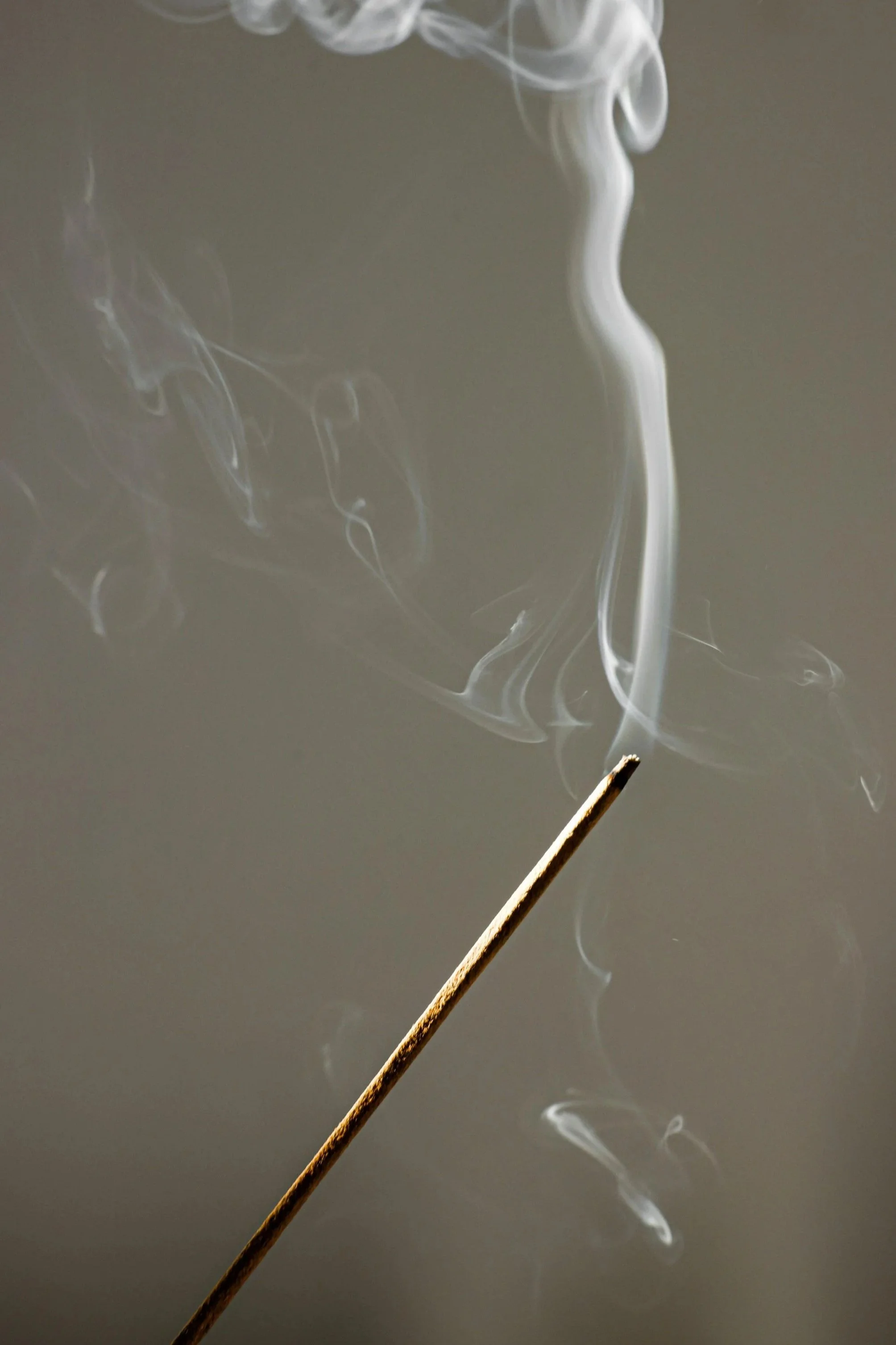
The smell of incense, candles, or a specific holiday meal.
The sound of a prayer, a hymn, a particular silence, or a ringing bell.
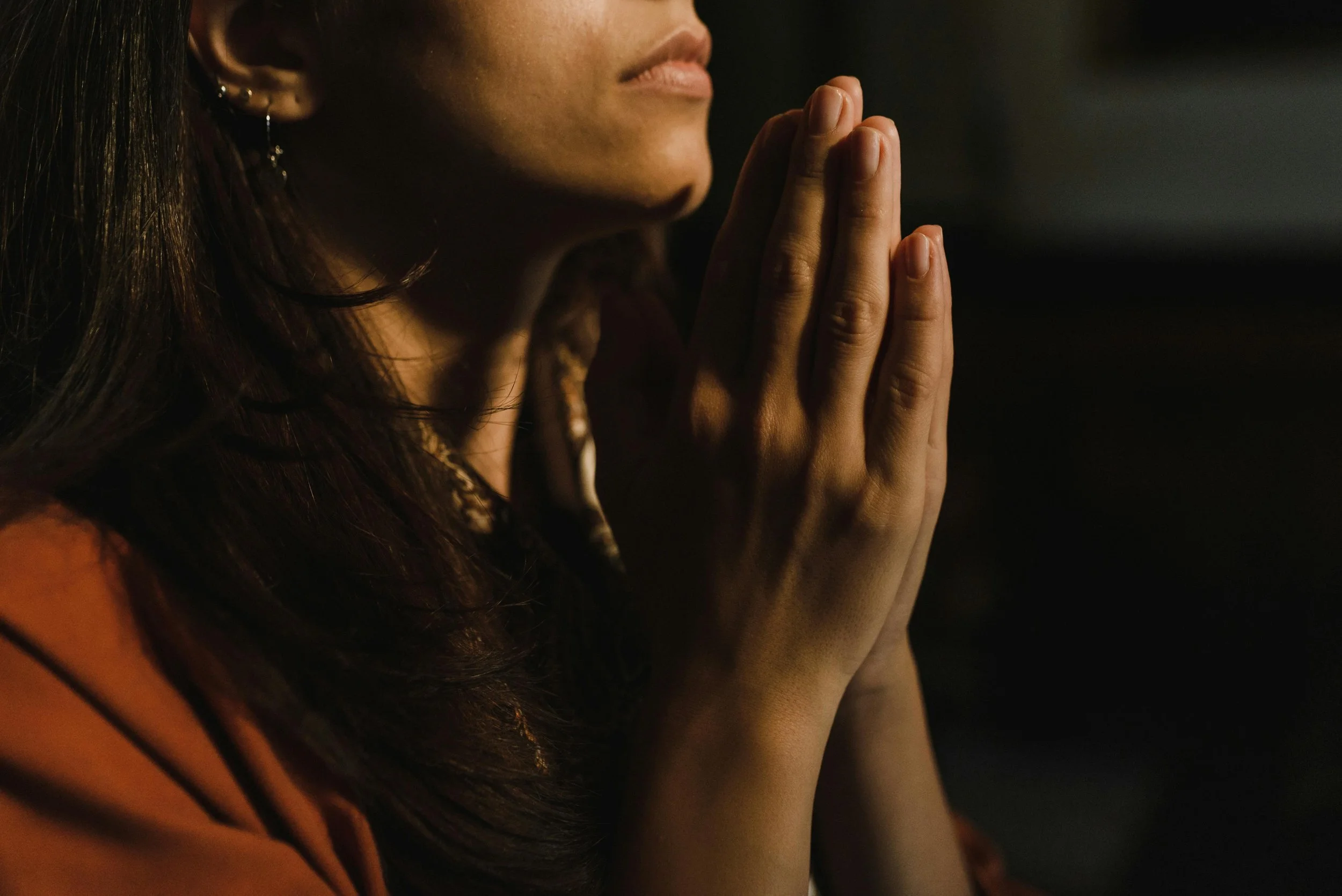
The physical posture of kneeling, bowing your head, or folding your hands.
The taste of wine, bread, or a food only eaten on this day.
The sight of specific colors, icons, or lighting.
These cues were designed to bypass your thinking brain and create a direct line to the sacred, to awe, to community. And for a lot of people, they did. But if your experience within that sacred space was also one of fear, shame, coercion, or hypocrisy, then those wires got crossed. Your body learned that awe and threat can live in the same sensory gift.
So now, the scent of frankincense isn’t just festive. It’s a full-body transport back to being a kid being told you were inherently flawed. The opening notes of “Silent Night” don’t bring peace. They bring a visceral memory of performance anxiety, of being on display, of a love that felt conditional. Your stomach doesn’t drop because you hate God. It drops because your body remembers a system where God’s love was a transaction and your check always bounced.
Your Belief and Your Body’s Memory Aren’t the Same Thing
This is the most crucial distinction we can make. It’s the difference between theology and biology.
You can intellectually deconstruct a belief. You can change your mind. You can walk away from a doctrine. And yet, your body might still break into a sweat when you hear a certain prayer.
That isn’t a failure of your intellect or your spirit. That’s your threat response being activated by a pattern it recognizes. It’s a biological reaction to a remembered environment, not a theological stance. Your amygdala, the part of your brain that sounds the alarm, doesn’t care about hermeneutics or biblical literalism.
It cares about one thing: “Did this sensory input, in the past, coincide with danger?”
If the answer’s yes, even if the danger was emotional or spiritual, the alarm bells start ringing louder than the Carol of the Bells.
Separating belief from bodily memory means allowing both to exist without letting one hijack the other. It means you can say,
“I no longer subscribe to that teaching, and my body still reacts to its soundtrack. Both are true.”
Validating the Sensory Hangover
What you’re experiencing isn’t petty. It isn’t you being “triggered by everything.” It’s a sensory hangover from a lifetime of immersive conditioning.
Feeling a wave of panic at the communal “Amen”? That’s valid.
Feeling rage boil up when you hear “Just trust God’s plan” in the face of real pain? That’s a reasonable response to a history of spiritual bypassing.
Feeling profound grief or disorientation during a ceremony you once loved? That’s the pain of losing a world of meaning, even if that world was also harmful.
Your body isn’t overreacting. It’s giving you an accurate readout of your past. The trigger isn’t the tradition itself in a vacuum. It’s the tradition as a delivery system for old messages of worthlessness, fear, or control.

What Do We Do With the Holy Triggers?
First, name them. Get specific.
“It’s the taste of the wafer.”
“It’s the way everyone closes their eyes.”
“It’s the specific phrasing of that blessing.”
Naming it steals some of its amorphous, terrifying power.
Second, give yourself permission for a ritual bypass. You don’t have to participate to prove you’re healed, or to keep the peace, or to avoid drama.
It’s okay to step out.
It’s okay to say no.
It’s okay to create your own meaning that doesn’t come with a side of physiological terror.
Finally, practice a gentle curiosity. If a trigger hits, see if you can talk to your body like you’d talk to a friend who just had a flashback.
“Oh, right. The candles. That takes us back, doesn’t it?
We’re here now. That was then. We’re safe in this moment.”
You’re not trying to force gratitude for the tradition. You’re offering compassion for the part of you that survived it.
The goal isn’t to reclaim the ritual. The goal is to reclaim your own nervous system’s response to it.
You get to decide what’s sacred now.

Your Next Step (If You Want One)
Untangling the sacred from the traumatic is delicate, deeply personal work. It’s about honoring your history without being held hostage by it. It’s about finding a spirituality, or a grounded secular sense of peace, that actually feels like home in your body.
If the holidays feel like walking through a minefield of old hymns and rituals, and you’re tired of pretending it’s fine, I can help. In my practice, we create a space where your bodily wisdom is the leading authority. We work to separate the beautiful from the painful, so you can navigate this season, and your own history, with more choice and less dread.
If you’re ready to explore what faith and healing can look like when your body’s in the conversation, let’s talk. I offer free 20-minute consultations to see if this work aligns with you.
Click here to schedule your consult. You deserve peace that honors you and your story.